
After reading this article by Washington Post advice columnist Carolyn Hax (Hax, 2026), I was shaken by the letter writer’s description of their relationship, but I was more shaken by the letter writer’s concluding paragraph. I’ll wait here while you read the question and Hax’s response.
…
Like Hax, I don’t believe for one minute that the boyfriend’s therapist encouraged—let alone praised (!)—him for checking the letter writer’s phone. In fact, I don’t believe he visited a therapist.
After you’ve covered both relationships in the Social Psychology chapter and ethics in the psychotherapy chapter, invite your students to work in small groups to answer the following questions.
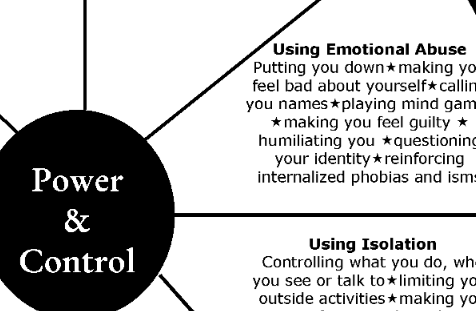
Power and Control
- After reading the letter writer’s description of their relationship, identify which aspects of the Power and Control Wheel you believe apply.
- Would you describe the boyfriend’s behavior as abusive? Why or why not?
- If the letter writer were your friend, described their relationship, and asked you, “How can I be less of a walking red flag?”, what would you say?
- If the letter writer stays in the relationship, give an example from each of the remaining aspects of the wheel that the letter writer should be on the lookout for.
- Visit the National Domestic Violence Hotline website at thehotline.org. In addition to the national hotline (call and text) and chat, you can find local resources. Click on “I Need Some Local Resources” and enter your zip code. Identify at least one resource.
Ethics
- Do you believe the boyfriend visited with a therapist? Why or why not?
- If the boyfriend did visit with a therapist, do you believe that the therapist said what the boyfriend reported? Why or why not?
- Review the five general principles of American Psychological Association’s Ethical Principles of Psychologists and Code of Conduct (American Psychological Association, 2017). If the therapist did say what the boyfriend reported, which of the five general principles of the ethics code did the therapist violate?
To conclude this discussion, give groups an opportunity to share thoughts from their discussion with the class or in a short, handwritten note submitted at the end of the class session.
References
American Psychological Association. (2017). Ethical principles of psychologists and code of conduct. https://www.apa.org/ethics/code
Hax, C. (2026, September 6). Carolyn Hax: More transparency just brings more accusations of cheating. The Washington Post. https://www.washingtonpost.com/advice/2026/09/06/carolyn-hax-more-transparency-brings-more-accusations-cheating/
